
Best Cheese for Burgers: The Complete Guide to Perfect Melts
How the best burger cheeses melt and taste, from American and cheddar to Gruyère, Gouda, blue cheese and pepper jack, and which burgers each one suits.
By Time for BurgersPublished Updated 5 min read
On this page (5)
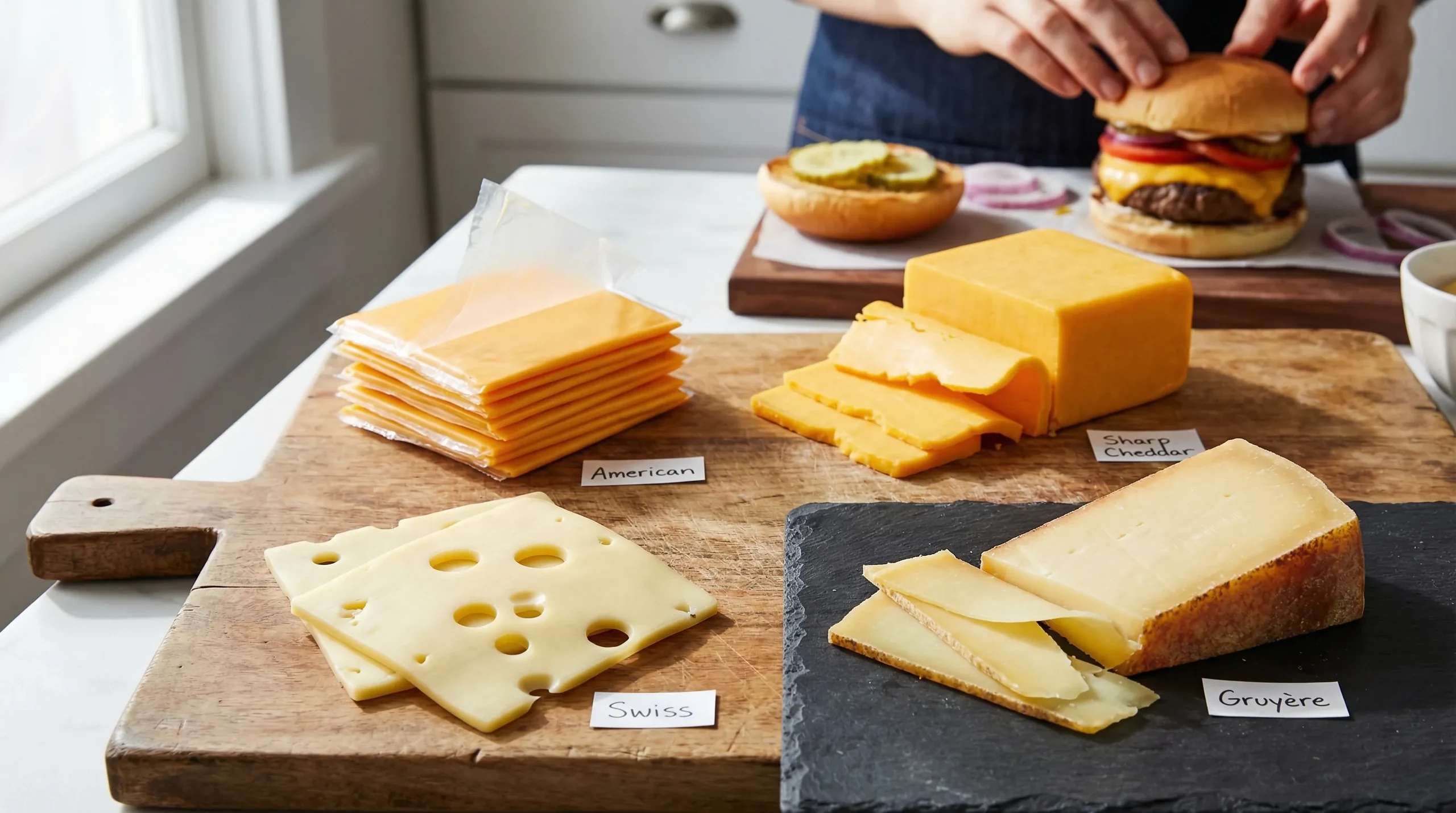
Two things decide whether a cheese belongs on a burger: how it melts and how loud it tastes next to beef. Cheeses with more fat and moisture melt into a smooth layer, which is why young cheeses usually melt better than aged ones. Mild cheeses let the beef lead; sharp or funky ones need toppings that can stand up to them.
American, Cheddar and Swiss
American
Yes, it's processed, and that's exactly why it works: it was made to melt. A slice softens into an even, creamy layer in about 45 seconds. The mild flavor backs up the beef instead of competing with it, and it goes with every topping from pickles and onions to bacon. It's the default for diner-style burgers and smash burgers, where thin patties cook so fast that only a quick-melting cheese keeps up. The classic diner double cheeseburger melts it between two thin patties.
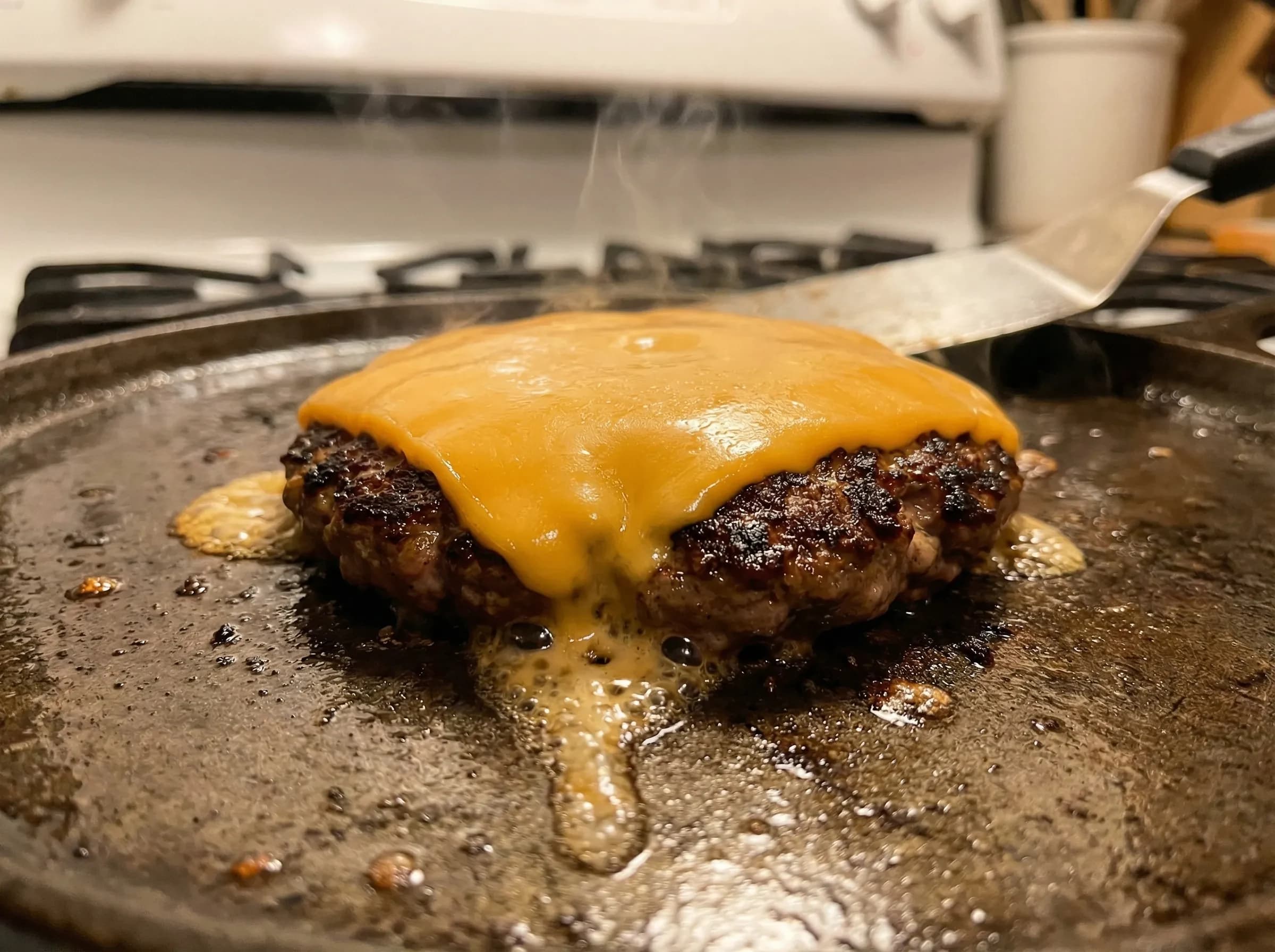
Best for: smash burgers, diner-style burgers, anything where the melt matters most.
Cheddar
Cheddar brings the personality American lacks. Mild and medium cheddars are younger and moister, so they melt faster and creamier. As cheddar ages and sharpens, it gets crumblier and slower to melt, though the flavor gets stronger. Medium is the practical middle: sharp enough to taste, young enough to melt well.
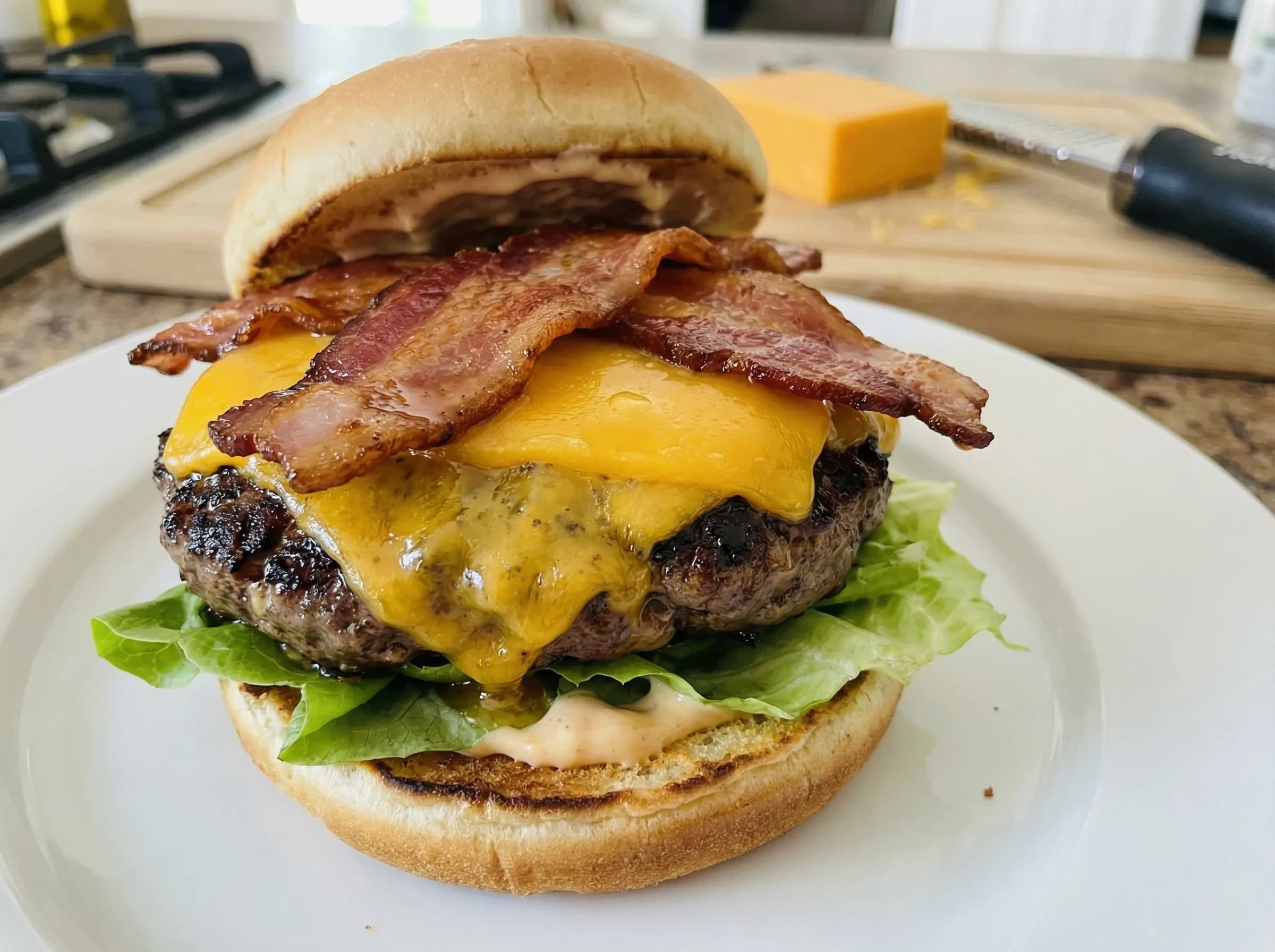
Its tang cuts through rich, sweet and smoky toppings, which makes it the natural choice with bacon, caramelized onions and barbecue sauce, as on the smoky BBQ bacon burger. For a sharp, aged cheddar, give it the full melting time.
Best for: bacon burgers, BBQ burgers, strong toppings.
Swiss
Swiss is nutty, buttery and a little sweet, with a slight bitterness some people dislike. It melts completely and evenly, sometimes with a stringy pull. It's the classic partner for mushrooms (see the mushroom Swiss burger with truffle aioli), it shares a sweetness with caramelized onions, and it calms spicy toppings like jalapeños or heavy pepper.
Best for: mushroom burgers, caramelized onions or sautéed peppers, spicy toppings.
Gruyère, Gouda and Provolone
Gruyère
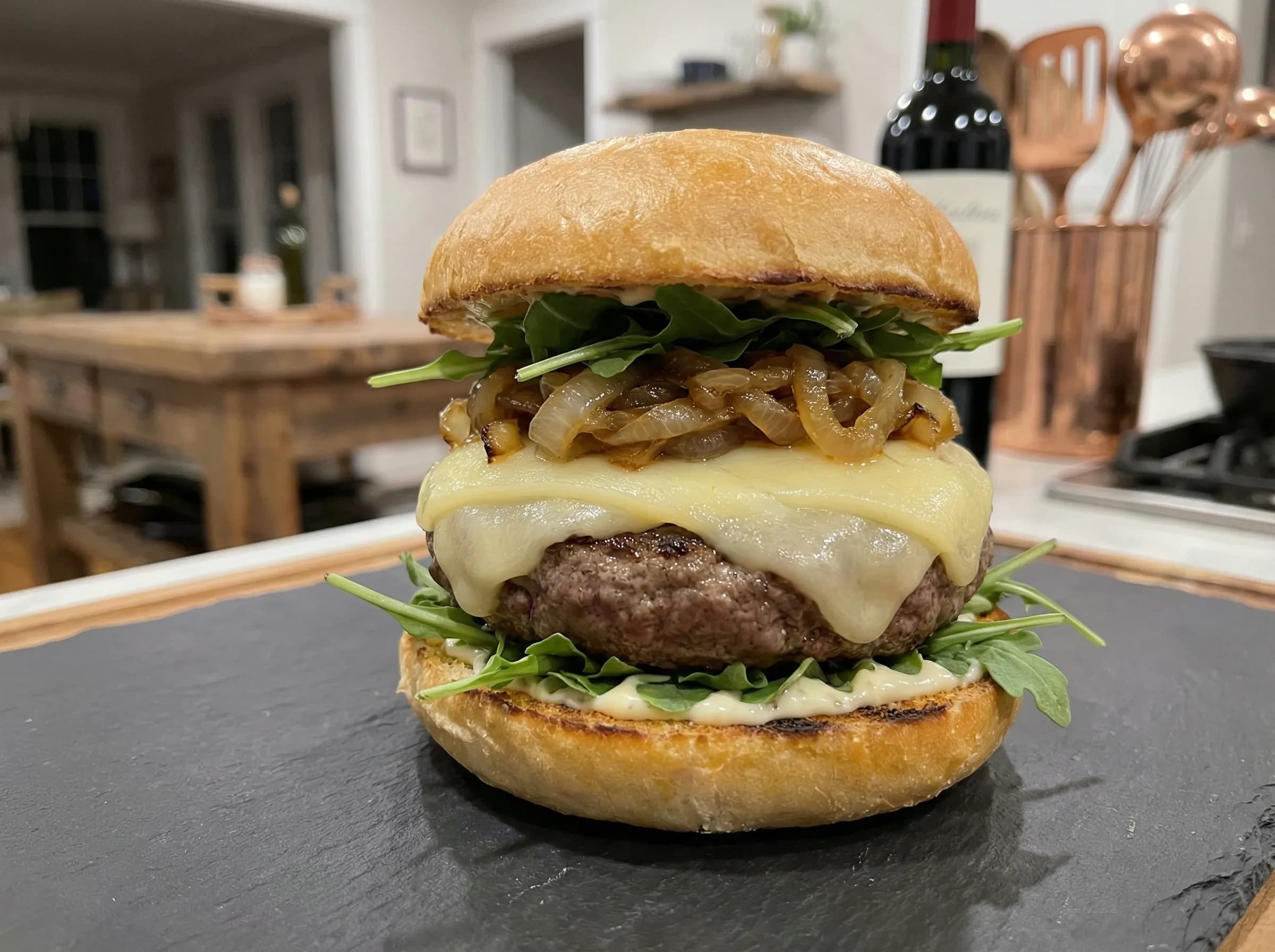
Gruyère is Swiss cheese's pricier, deeper cousin. It melts at least as well and tastes of hazelnut and earth, with a sweet finish. It's worth the money on burgers made with good beef, and it pairs with sweet toppings like caramelized onions or candied bacon, with truffle aioli or with roasted garlic. The truffle smash burger with Gruyère and shallots layers it with aged white cheddar.
Best for: upscale burgers, mushroom and truffle toppings, caramelized onions.
Gouda
Young Gouda is high in fat, buttery and mild, and it melts into a velvety layer. Aged Gouda tastes nuttier, with caramel notes, but it's drier; slice it thin so it melts evenly. Smoked Gouda adds smoke without liquid smoke or smoked bacon, which suits burgers with barbecue sauce or grilled vegetables.
Best for: BBQ burgers, sweet or smoky toppings.
Provolone
Provolone melts quickly and evenly into a soft, silky layer. The flavor is mild and buttery with a little tang, and the texture sits between creamy American and firmer cheddar. It's the obvious match for Italian-style toppings (roasted red peppers, basil, marinara) and works fine on an everyday burger when you want something with more character than American but less bite than sharp cheddar. The Philly cheesesteak burger uses it.
Best for: Italian-style burgers, everyday burgers.
Blue Cheese and Pepper Jack
Blue cheese
Blue cheese doesn't melt so much as soften. Crumble it onto the patty right after it comes off the heat: the leftover warmth softens it enough to stick and release its flavor without turning it into a puddle. The sharp, funky taste divides people, and sweet partners tame it: caramelized onions, balsamic reduction, bacon, arugula. Try it on the blue cheese caramelized onion burger.
Best for: bacon and caramelized onion burgers, anyone who likes strong cheese.
Pepper Jack
Pepper Jack is Monterey Jack studded with chile peppers. It melts as smoothly as American, and the heat ranges by brand from barely there to properly spicy. It fits Southwestern and Mexican-inspired burgers with jalapeños, chipotle aioli, guacamole or pico de gallo, and its creaminess softens the other heat on the burger. See the jalapeño pepper jack burger with guacamole.
Best for: spicy burgers, Southwestern flavors.
Getting the Melt Right
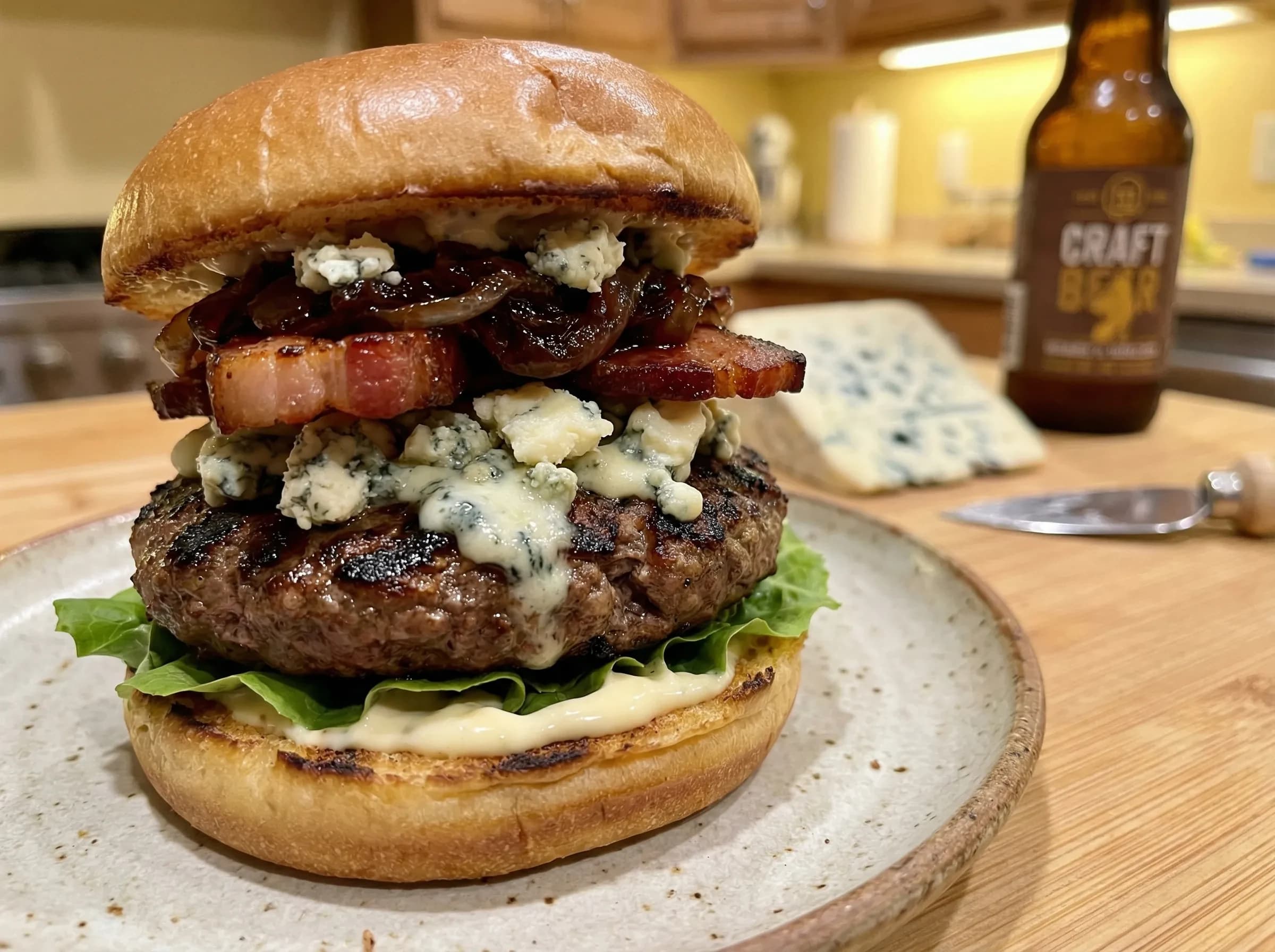
- Timing: add the cheese during the last 60-90 seconds of cooking. That's long enough to melt without overcooking the patty.
- Trap the heat: close the grill lid, or set a metal bowl or lid over the burger on a griddle or skillet.
- Smash burgers: add the cheese right after the flip. The high heat melts it while the second side cooks.
- Firm and aged cheeses like sharp cheddar and Gruyère need the full 90 seconds; American needs less.
- Blue cheese goes on after the heat, not during.
Frequently Asked Questions
Sliced or shredded cheese?
Sliced. It melts evenly across the whole patty. Shredded cheese melts unevenly, clumps and can fall through grill grates. If shredded is all you have, add it in the last 30-60 seconds and cover the burger so it melts evenly.
Can you mix two cheeses on one burger?
Yes. Pair one cheese for melt with one for flavor: American with sharp cheddar, or Gruyère with blue cheese crumbles. Make sure at least one melts well to hold things together, and stop at two; three or more get muddy.
How do you keep the cheese from sliding off?
Melt it while the burger is still on the heat so it bonds to the patty. Keep the patty flat rather than domed (a dimple pressed into the center before cooking helps), and lay the cheese out to the edges instead of in a small square in the middle. A one-minute rest after cooking lets everything set so the cheese stays put at the first bite.